Health & Safety Policy for Business Waste Removal Enfield
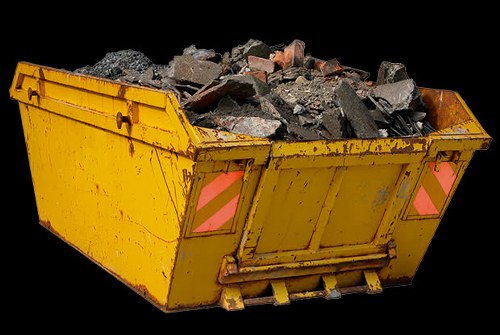 Purpose: This Health and Safety policy sets out the commitment of our commercial waste operation to protect staff, clients and the public while delivering business waste removal services across our rubbish company service area. It defines responsibilities, controls and procedures to prevent injury, ill health and environmental harm during all aspects of waste collection, transport, and disposal.
Our policy applies to every person employed or subcontracted by the company and to operations carried out on client sites, public places and our transfer facilities. It recognises that effective rubbish removal requires consistent risk management, suitable equipment, and training so that safe systems of work are implemented and maintained.
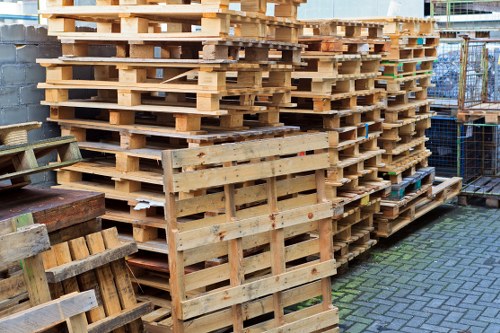 Scope: The policy covers routine commercial waste removal, bulky waste collections, secure disposal of confidential materials, segregated recycling streams and the handling of potentially hazardous items encountered in a typical rubbish collection service area. It does not override specific statutory duties but supports compliance through documented processes and safe working practices.
Management Commitment and Responsibilities
Senior management will provide leadership, resources and oversight to ensure safety goals are delivered. Managers must ensure that risk assessments are current, staff are trained, and that vehicles and equipment are maintained to prevent avoidable incidents during business waste removal operations.Supervisors are required to plan daily routes considering traffic and site constraints, confirm PPE availability, and check that crews understand task-specific controls. Employees have a duty to follow instructions, use provided safety equipment and report unsafe conditions or near misses promptly.
Key duties include:
- Carrying out and recording dynamic risk assessments at each collection point.
- Segregating and labelling waste per accepted streams and identifying hazardous items.
- Safe operation of lifting gear and vehicle-mounted equipment.
- Prompt reporting of incidents, spills or breaches of containment.
Risk Assessment and Safe Systems of Work
All tasks associated with commercial waste removal, including manual handling, vehicle loading, and compaction, will be assessed to identify hazards and control measures. Controls will follow a hierarchy: eliminate, substitute, engineer, administrate, and provide PPE.Typical hazards addressed are slips, trips and falls on site, manual handling injuries from heavy or awkward loads, traffic risks, sharps and contaminated waste, and exposure to hazardous substances. Controls include mechanical aids, route planning, exclusion zones during loading, and chemically resistant protection where necessary.
 PPE and Equipment: The company will supply appropriate PPE including high-visibility clothing, gloves, safety boots, eye protection and respiratory protection for specific tasks. Equipment such as lifting aids, secure containers and well-maintained vehicles are issued to reduce manual handling and improve safety throughout the rubbish removal service area.
Training and competence are essential. Induction for new starters covers safe waste handling, vehicle operation basics and emergency procedures. Refresher training and task-specific instruction will be provided for drivers, loaders and staff who encounter hazardous materials during business waste removal operations.
Monitoring and performance: Safety performance is monitored through routine inspections, vehicle safety checks, and review of incident reports. Audits and safety meetings evaluate adherence to the policy and identify improvements. Where trends or repeated issues are found, corrective actions will be implemented without delay.
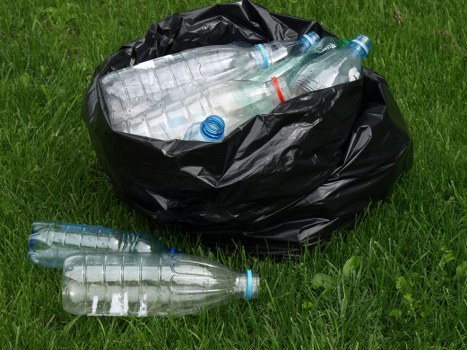 Incident reporting and investigation: All injuries, near misses, damage to property or environmental releases must be reported immediately. Incidents will be investigated to determine root causes and corrective actions. Learning from investigations will be shared with teams to prevent recurrence across the rubbish company service area.
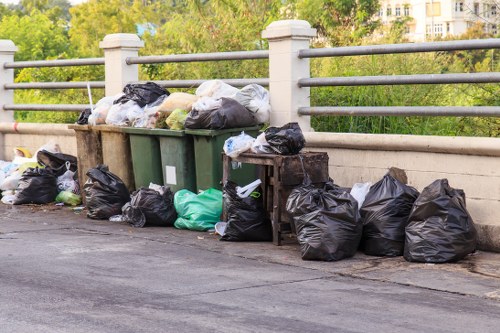 Emergency response and spill control: Emergency plans are in place for fires, spills, vehicle incidents and hazardous material exposures. Crews receive training in spill containment, use of absorbents and appropriate notifications. Emergency equipment is carried on vehicles where risk assessments indicate need.
Contractors and sub-contractors engaged to deliver commercial waste removal services must demonstrate compliance with this policy, provide evidence of competence, and cooperate with company safety requirements. Subcontractor performance is monitored and integrated into continuous improvement activities.
Policy review: This Health & Safety policy is regularly reviewed and updated in line with operational changes, incident learnings and regulatory expectations. The aim is continuous improvement in occupational health and safety for all personnel involved in business waste removal, rubbish clearance and associated services within our service area.
The company expects everyone to play an active part in maintaining a safe working environment. Adherence to this policy helps protect people, property and the environment and ensures reliable, safe rubbish collection and commercial waste removal services for clients and communities.
Approval: This policy is endorsed by senior leadership and forms part of contractual arrangements for all operational activities. It sits alongside operational procedures, training records and risk assessments that together create the framework for safe, compliant rubbish company operations.
Signed on behalf of the company — Health & Safety lead
